


14 Oct 2026 · 9 min read
What a Dentist Visit in Regensburg Really Costs in 2026
What German statutory insurance covers at the dentist, where costs rise, and how to find a well-rated Zahnarzt in Regensburg.
Zahnarzt Regensburg Bayern16 October 2026 · 8 min read
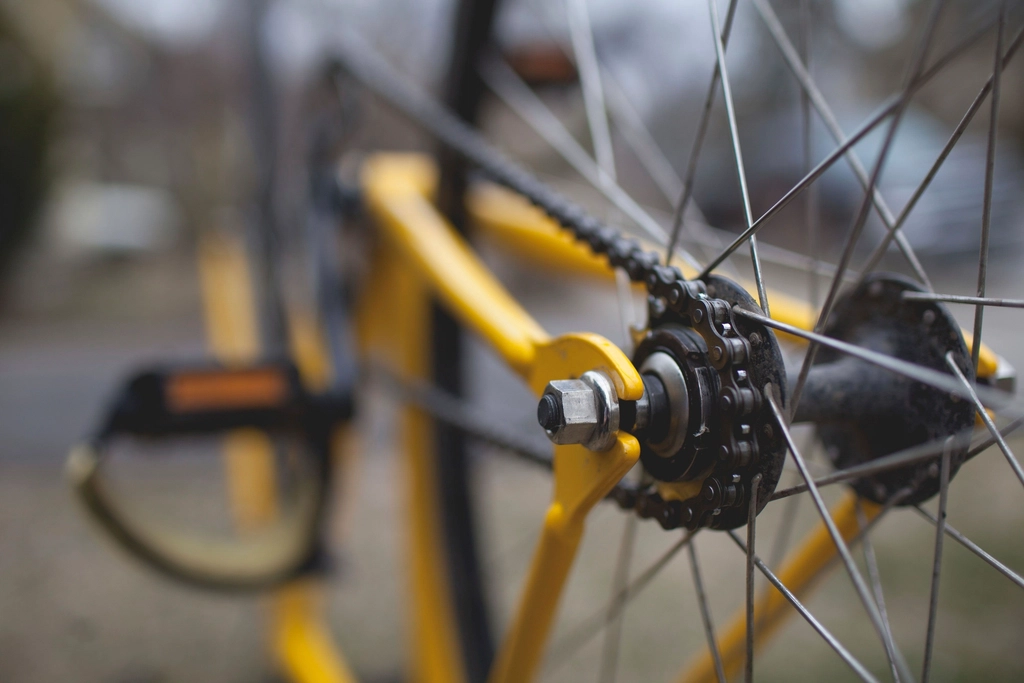
Germany has no fixed national price list for bicycle repairs, and that catches a lot of newcomers off guard. A simple flat-tyre fix might cost almost nothing at one shop and a small fee at another a few streets away, while a full e-bike service can run well into three figures. What actually drives the bill is labour, parts and whether the shop specialises in brands like Bosch or Shimano. This guide walks through how Fahrradwerkstatt (bike workshop) pricing in Germany actually works, what to expect for common jobs, and which well-rated workshops in the directory are worth knowing about if you need a repair in Berlin or one of Bavaria's larger cities.
If you're new to Germany: a Fahrradladen is a bike shop that mainly sells bikes and accessories, while a Fahrradwerkstatt is the repair side of the business — many shops, like the ones below, combine both under one roof. You can browse the full bike shop category for every workshop in the directory.
There's no government-set fee schedule for bike repairs in Germany, unlike the fixed rates that apply to some other services. Each workshop sets its own rates based on local rent, the mechanic's experience, and whether the shop is independent or tied to a brand like Bosch, Shimano or Trek. In practice this means the same job — say, replacing a brake cable — can have a noticeably different price between a small neighbourhood workshop and a larger shop with a dedicated e-bike service desk.
What stays fairly consistent is the structure of the bill: you're paying for labour time (often billed in quarter-hour or half-hour blocks) plus the cost of parts, which the shop buys at wholesale and marks up like any retailer. Some shops quote a combined price for common jobs (a tyre change "inklusive Schlauch", tube included); others itemise labour and parts separately. Because these numbers move with each shop's own price list, this guide won't invent specific euro figures — check current prices directly with the workshop before booking, either by phone or on their website.
Tipping isn't expected the way it might be in some other countries, and haggling over a quoted price isn't common practice either — if a price feels high, it's more normal to simply ask a second shop for a comparison quote than to negotiate. Many workshops will give a rough estimate over the phone once you describe the problem, which is worth doing before you carry a bike across town.
One Berlin workshop that illustrates this well:
Bike Shops & Repair · Berlin, Berlin
This is a good example of how specialisation affects a shop's work: it's Bosch-certified for e-bike systems and Magura-certified for hydraulic brakes, but only services Shimano and Magura hydraulic brakes specifically — not every brand. According to its listing, most small repairs like a flat tyre or a brake cable are handled without an appointment and finished the same day, while e-bike and hydraulic brake work needs the right certification on-site. That's a useful pattern to watch for elsewhere: a shop that lists a specific brand certification is usually better equipped (and sometimes cheaper) for that brand's bikes than a generalist workshop would be.
A handful of factors determine where a job lands on the price scale, regardless of which city you're in:
The table below gives a rough sense of typical job categories and how long they usually take — not prices, since those vary by shop:
| Repair type | Typical time | Appointment usually needed? |
|---|---|---|
| Flat tyre / tube change | Same day, often while you wait | No |
| Brake pad or cable replacement | Same day to next day | Usually no |
| Gear adjustment / derailleur tuning | Same day to 1–2 days | Sometimes |
| Full inspection / service | 1–3 days | Yes |
| E-bike motor or battery diagnostics | Several days to a week | Yes |
| Wheel rebuild / spoke replacement | 2–5 days | Yes |
Berlin has the largest concentration of bike shops in the directory, which means more competition and, often, more same-day walk-in capacity for quick repairs — useful if your commute depends on getting back on the road fast. You can see the full list on the Berlin bike shop category page or browse Berlin's city page for everything else nearby.
Bavaria's larger cities — Munich, Nuremberg, Augsburg, Regensburg, Ingolstadt, Erlangen and Fürth — each have a solid cluster of workshops too, often family-run shops that have operated for decades. These tend to be smaller operations than Berlin's bigger chain-style shops, which can mean more personal service but occasionally longer waits if the mechanic is the only one on staff that day. A good example:
Bike Shops & Repair · Ingolstadt, Bavaria
Fahrrad Brenner started as a one-person operation in 1989 and has grown from there — the kind of long-running, specialised shop you'll find in several mid-sized Bavarian cities. If you're in Ingolstadt, the local bike shop category lists the other options nearby.
For anything beyond a flat tyre, it's worth calling ahead. Shops that handle e-bikes in particular tend to book up, since diagnostics and parts ordering (especially for a specific battery or motor model) take longer than a standard repair. A shop in Passau shows a fairly typical setup for a smaller workshop:
Bike Shops & Repair · Passau, Bavaria
With over a thousand reviews and a strong rating, this is a well-established shop — but note that its listed opening hours are limited, which is common for smaller, owner-run workshops outside the big cities. Always check the shop's own hours before planning a visit, since Google-sourced hours in a directory can lag behind reality, especially around public holidays.
If you're comfortable with basic maintenance, some shops will sell you the part (a tube, a brake pad, a chain) without doing the installation, which cuts the bill down to just the part's retail price. For anything involving brake systems, gear cables under tension, or electronics, it's worth paying for professional labour — a poorly adjusted brake is a safety issue, not just an inconvenience. A Regensburg shop puts this well in its own listing, emphasising both sales and workshop service:
Bike Shops & Repair · Regensburg, Bavaria
KL Bikes has operated in Regensburg since 2017 and, per its listing, has a dedicated phone line for shop questions — a reminder that calling ahead for a quote is standard practice in Germany rather than something unusual to ask for. You'll find more options on the Regensburg bike shop listings.
E-bikes have become a significant part of the German bike market, and that shows in how shops position themselves. Several workshops now offer trade-in programmes for older bikes, leasing arrangements for e-bikes (common through employer "Jobrad" schemes), and rental alongside sales and repair. One Erlangen shop covers all three:
Bike Shops & Repair · Erlangen, Bavaria
Fahrrad Meier lists bike rental, workshop service and a leasing service as separate categories alongside sales — a sign of how much the e-bike market has expanded what a "bike shop" actually offers. If you're weighing whether to repair an older bike or trade it in toward something new, a shop like this is worth a conversation, since trade-in value depends entirely on the specific bike and shop, not a fixed formula.
A few practical steps make the pricing conversation easier, wherever you are in Germany:
Two more shops worth checking if you're in Munich or Nuremberg:
Bike Shops & Repair · Munich, Bavaria
Bike Shops & Repair · Nuremberg, Bavaria
Fahrradladen 16, in Munich's Schwabing-West district, keeps it simple with a straightforward workshop-plus-shop setup. Cherry Bikes in Nuremberg, open since 2009, covers e-bikes and cargo bikes ("Lastenräder") alongside standard repairs — useful if you're shopping for a family bike as well as getting one fixed. You can browse the full Munich category page and Nuremberg category page for more nearby options.
There's no single number that represents "what a bike repair costs in Germany" — the real answer depends on the job, the bike (especially e-bike vs. standard), and which shop you use. What you can control is the process: ask for a clear quote before work starts, mention if you have an e-bike and which system it uses, and expect same-day service for simple jobs but a booked appointment for anything involving brakes, gears or electronics.
It's also worth checking a shop's reviews for mentions of pricing specifically, not just service quality — reviewers who comment "fair prices" or "not the cheapest, but worth it" are giving you a useful signal before you even ask for a quote. Comparing two or three well-rated workshops near you — rather than assuming prices are standardised — is the most reliable way to avoid an unpleasant surprise on the final bill. Start with the bike shop directory for your city and go from there.
14 Oct 2026 · 9 min read
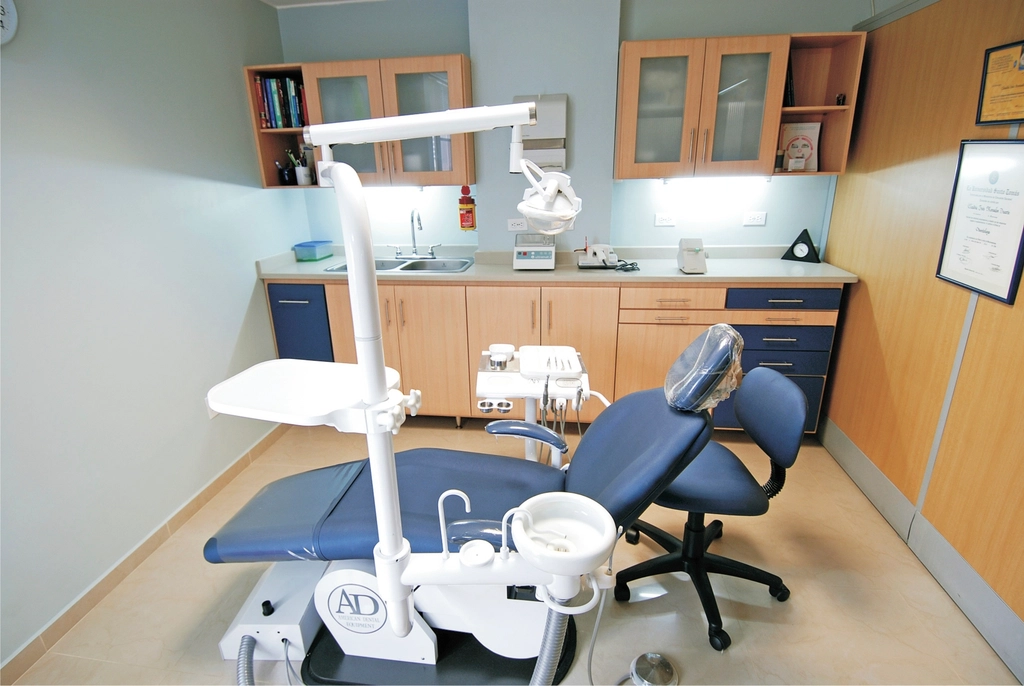
What German statutory insurance covers at the dentist, where costs rise, and how to find a well-rated Zahnarzt in Regensburg.
Zahnarzt Regensburg Bayern
12 Oct 2026 · 7 min read
Registering your address, finding a Hausarzt and dentist, Kita places, haircuts, bakeries and the TÜV: a practical first-months guide to Nuremberg.
Nuremberg Bavaria newcomer-guide
10 Oct 2026 · 8 min read
Rechtsanwalt or Notar? What each one actually does in Germany, when the law requires a notary, how fees work, and where to find both in Berlin.
lawyer notary berlin