


16 Oct 2026 · 8 min read
What Bike Repairs Really Cost in Germany in 2026
How bike shop pricing works in Germany, what affects the bill, and well-rated Fahrradwerkstätten in Berlin and Bavaria to compare.
Fahrradwerkstatt Bike Repair Germany14 October 2026 · 9 min read
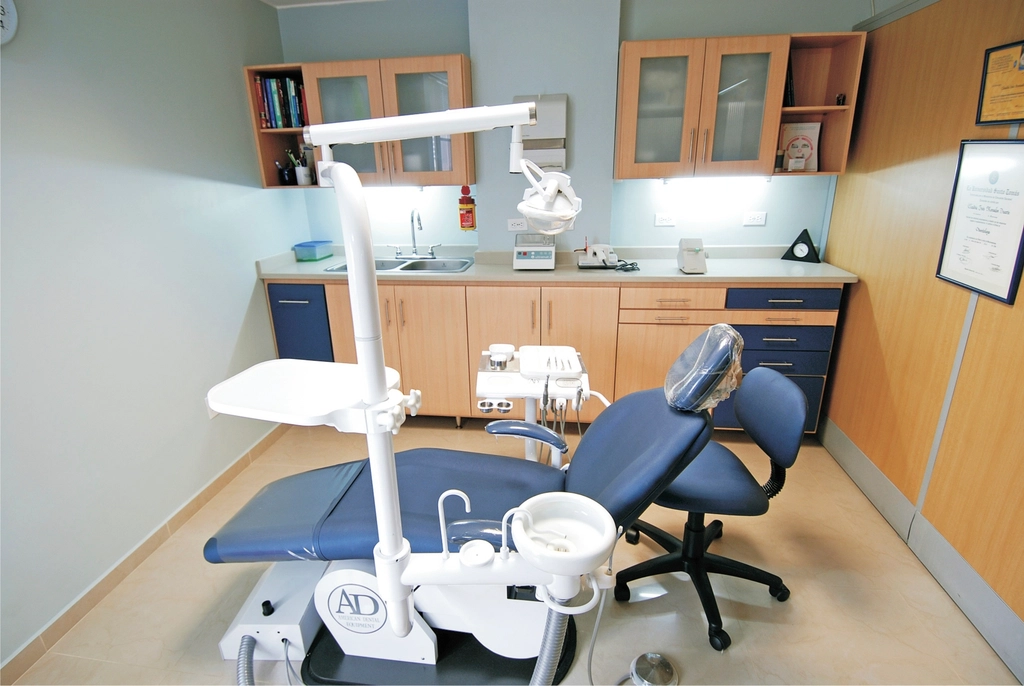
If you have ever stared at a dentist's invoice in Germany and wondered why one line was free and the next cost a few hundred euros, you are not alone. The German system splits dental care into two tracks: what your statutory health insurance (GKV, Gesetzliche Krankenversicherung) is required to pay for, and everything a dentist calls a "better" or "private" option, which comes out of your own pocket unless you have supplemental cover. Understanding that split — and knowing a few German terms before you sit in the chair — makes the whole process far less stressful. We will walk through how the system works and then point you toward well-rated Zahnärzte (dentists) in Regensburg who can answer the specifics for your own treatment.
Around 90% of people in Germany are insured through the statutory system (GKV), funded through payroll contributions and covering a defined catalogue of treatments. The rest use private health insurance (PKV, Private Krankenversicherung), usually available to the self-employed, civil servants, and higher earners, which works on reimbursement and can cover more — at a higher monthly premium.
For GKV members, the law defines a Regelversorgung: the standard, medically necessary treatment for a given problem. If your dentist proposes something beyond that standard — a white filling in a back molar instead of amalgam, a ceramic crown instead of a metal one — that extra is called a Mehrkostenvereinbarung (a cost-sharing agreement you sign in advance). Nothing should ever be billed as "extra" without you agreeing to it first and seeing a Kostenvoranschlag (a written cost estimate).
PKV works differently: you pay the dentist's invoice yourself (or the practice bills you directly) and then submit it to your private insurer for reimbursement, based on whatever tariff you signed up for. Some PKV tariffs reimburse close to 100% of dental costs including upgrades that GKV would never touch; cheaper tariffs can actually reimburse less generously than GKV for certain items. If you are new to Germany and choosing between the two systems for the first time, this dental question is one of the more concrete ways to compare tariffs, since dental costs are where the gap between a thin PKV plan and a generous one shows up fastest.
Twice-yearly checkups, diagnostic X-rays when medically indicated, basic fillings, extractions, and standard dentures are part of the GKV catalogue and are generally billed directly to your insurer — meaning no invoice for you beyond the small statutory co-payments that apply to some adult treatments. Children and teenagers under 18 are exempt from most co-payments entirely.
One detail worth knowing: the Bonusheft (bonus booklet). If you get your checkup stamped every year for several years running, your statutory share of costs for larger treatments like crowns goes up — in practice this can reduce your own share by a meaningful margin. It costs nothing and takes a minute at each visit, so ask your practice for one if you do not already have it.
The categories that regularly surprise newcomers are crowns, inlays, implants, and cosmetic work. For these, GKV pays a fixed subsidy toward the Regelversorgung, and you pay the difference to whatever material or technique you and your dentist agree on. Dental implants in particular sit almost entirely outside the standard catalogue — the statutory subsidy covers only a reference amount toward a much simpler bridge-based alternative, so the gap for an actual implant can be substantial.
This is exactly where asking for a written Kostenvoranschlag before treatment matters most. A reputable practice will walk you through which parts are Kassenleistung (covered by your insurer), which are Mehrkosten (your share for an upgrade), and which are fully Privatleistung (private service, no subsidy at all). If anything is unclear, ask the practice directly — current prices and subsidy amounts change yearly, so always check with the provider rather than relying on anything you read online, including this guide.
Professionelle Zahnreinigung (PZR), the thorough cleaning many practices recommend once or twice a year, is a classic example of a Privatleistung: it is not automatically part of the GKV catalogue, so practices charge for it directly, and you pay at the desk afterwards rather than through your insurance card. Some supplementary insurance plans reimburse part or all of it (see below). The same applies to teeth whitening, most mouthguards for sports, and fluoride treatments for adults.
None of this means PZR is optional in a medical sense — many dentists consider it a core part of preventing the gum disease that leads to far more expensive treatment later. It just means it is billed outside the statutory system, so ask the front desk to confirm the price before the appointment rather than after the cleaning is already done, and ask whether it is offered as a package with your regular checkup.
For children and teenagers, GKV covers orthodontic treatment (Kieferorthopädie) once a licensed Kieferorthopäde confirms the misalignment meets one of the defined severity grades (KIG, Kieferorthopädische Indikationsgruppen). Below that threshold, or for adults, braces are almost always a private matter, with GKV support limited to rare medical exceptions such as treatment tied to jaw surgery.
Many Zahnärzte and Kieferorthopäden in Regensburg offer a free or low-cost initial consultation specifically to assess which KIG category a child's case falls into, since that grading decides whether GKV pays at all. For adults considering braces purely for appearance or comfort, it is worth asking at the consultation whether any part of the case — a jaw misalignment causing pain, for instance — might still qualify for partial support, rather than assuming the whole treatment is automatically private.
A Zahnzusatzversicherung (supplemental dental insurance) is a private add-on policy that tops up what GKV pays, often targeting exactly the gaps described above: implants, higher-grade crowns, PZR, and orthodontics. Providers typically offer several tiers — a basic plan focused on cleaning and simple upgrades, and higher tiers that add meaningful implant or orthodontic reimbursement — and the right tier depends entirely on what you expect to need in the next few years, not just your current budget.
Two details trip people up most often. First, waiting periods: most tariffs will not pay out for treatment that was already planned or diagnosed before the policy started, so buying a policy the week before a scheduled implant rarely works. Second, existing conditions: insurers can ask about your dental history and price (or decline) the policy accordingly, much like other private insurance. If you are weighing one, a licensed Versicherungsmakler (insurance broker) or your existing Krankenkasse can walk through the small print; this guide is not the place to compare specific premiums, since they change often and depend on your age and dental history.
| Treatment | Typical GKV status | What that means for you |
|---|---|---|
| Checkup & cleaning exam | Regelversorgung | Billed directly, no invoice |
| Basic (amalgam) filling | Regelversorgung | Billed directly, no invoice |
| Cosmetic (composite) filling, visible tooth | Mehrkosten possible | You pay the material upgrade |
| Standard crown/bridge | Partial subsidy | You pay the difference to your chosen material |
| Dental implant | Reference subsidy only | Most of the cost is private |
| Professional cleaning (PZR) | Privatleistung | Paid in full at the practice |
| Children's orthodontics (qualifying KIG grade) | Regelversorgung | Billed directly |
| Adult orthodontics | Privatleistung (exceptions rare) | Paid in full, or via Zahnzusatzversicherung |
If this is your first visit to a German dentist, registration is simpler than it looks. You generally do not need a referral — you call or walk in, give the practice your Versichertenkarte (insurance card) or, for PKV, your policy details, and fill out a short medical history form (most practices have an English version if you ask). There is no national waiting list the way there sometimes is for a Hausarzt or specialist; the main constraint is simply which practices near you still have capacity for new Kassenpatienten, which is exactly why it is worth checking a few options rather than only the first result you find.
If you are also newly registered in Germany (Anmeldung at the Bürgeramt) and still choosing a health insurer, know that your dental coverage starts from the date your GKV or PKV policy becomes active, not from your Anmeldung date. Keep any paperwork from a previous country's dental treatment — a summary of recent work, X-rays if you can get copies — since it saves the new practice time working out your history from scratch.
Toothache does not wait for office hours. Outside normal practice times, Bavaria runs a Zahnärztlicher Notdienst (dental emergency service) that rotates between practices on evenings, weekends, and public holidays; the current rotation and phone number for the Regensburg area is published by the regional dental association (Kassenzahnärztliche Vereinigung Bayerns) and is also usually posted on the answering machine of any local practice that is closed.
For anything genuinely severe — facial swelling, uncontrolled bleeding, or a knocked-out tooth — the emergency room (Notaufnahme) at a hospital can also provide initial care, and will stabilise the situation even if a dentist still needs to follow up afterwards. The statutory emergency co-payment rules are broadly the same as for regular treatment, so cost should not be a reason to delay calling; the Notdienst exists precisely because untreated dental pain tends to get more expensive, not less, the longer it waits.
Regensburg's old town and surrounding districts have a solid cluster of well-reviewed practices, and most take new patients without a long wait if you are flexible on the appointment slot. A few from the directory, all independently reviewed by patients:
Dentists & Orthodontists · Regensburg, Bavaria
Dentists & Orthodontists · Regensburg, Bavaria
Dentists & Orthodontists · Regensburg, Bavaria
Dentists & Orthodontists · Regensburg, Bavaria
Dentists & Orthodontists · Regensburg, Bavaria
Dentists & Orthodontists · Regensburg, Bavaria
You can browse the full, filterable list on the Zahnärzte & Kieferorthopäden category page for Regensburg, compare it against the nationwide Zahnärzte category, or check what else is nearby on the Regensburg city page. If you are new to the area and still need a family doctor too, the Hausärzte listings for Regensburg are a good next stop.
When you call to book, it helps to ask three things upfront: whether the practice is taking new GKV patients (Kassenpatienten) or only private ones, whether a first appointment is a full checkup or just a short consultation, and whether you should bring your Bonusheft and insurance card (Versichertenkarte or eGK). If a treatment plan beyond a simple filling comes up during the visit, ask for the Kostenvoranschlag in writing before agreeing to anything, and ask explicitly which parts are Kassenleistung and which are Mehrkosten. None of this is unusual to ask — German practices handle these questions daily and most reception staff will walk you through the paperwork without you needing perfect German.
Routine dental care in Germany's statutory system is close to free at the point of use; the costs that catch people off guard come from upgrades — nicer materials, implants, cosmetic cleaning, and adult orthodontics — that sit outside the standard catalogue. Ask for a written estimate before any of those, keep your Bonusheft stamped, and decide deliberately (not reactively) whether a Zahnzusatzversicherung makes sense for your situation. For the actual numbers that apply to your treatment, always check current prices directly with the practice, since subsidy levels and private fees both change from year to year.
16 Oct 2026 · 8 min read
How bike shop pricing works in Germany, what affects the bill, and well-rated Fahrradwerkstätten in Berlin and Bavaria to compare.
Fahrradwerkstatt Bike Repair Germany
12 Oct 2026 · 7 min read
Registering your address, finding a Hausarzt and dentist, Kita places, haircuts, bakeries and the TÜV: a practical first-months guide to Nuremberg.
Nuremberg Bavaria newcomer-guide
10 Oct 2026 · 8 min read
Rechtsanwalt or Notar? What each one actually does in Germany, when the law requires a notary, how fees work, and where to find both in Berlin.
lawyer notary berlin